EXPLORING THE PAWN SHOPS OF LAS VEGAS 

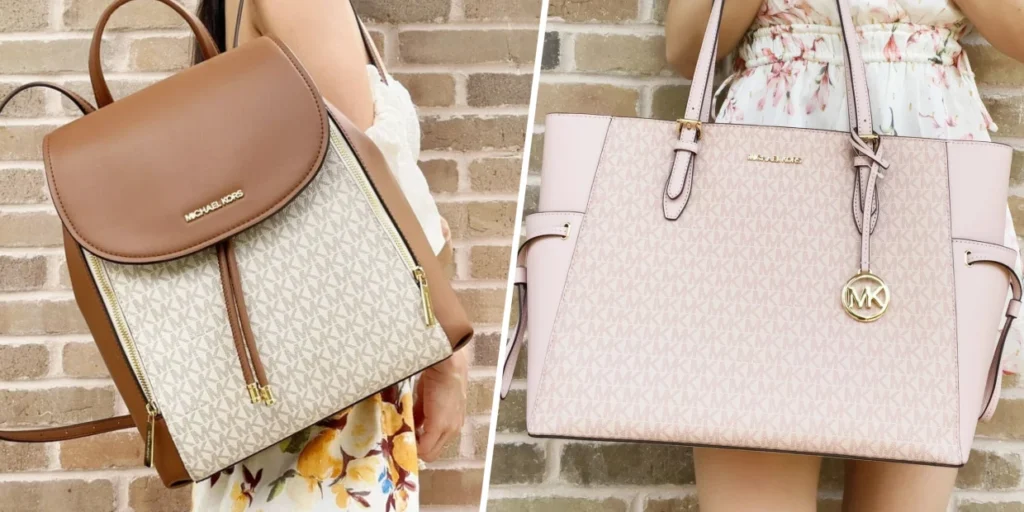
In the glitzy expanse of Las Vegas, beyond the dazzling lights of the Strip, lies a world of intrigue and hidden treasures waiting to be discovered. Pawn shops, often overlooked amidst the city’s luxury, hold within their walls stories of valuable heirlooms, unique finds, and a rich history of trade and exchange pawn shop designer Michael Kors bags. 

Pawn Shops: A Glimpse into Las Vegas History 

Las Vegas pawn shops are more than places to acquire cash against collateral; they reflect the city’s history. Many of these establishments have been part of the community for decades, witnessing the city’s transformation from a desert outpost to a global entertainment hub. Exploring these pawn shops is akin to stepping back in time as they continue to preserve the spirit of old Las Vegas. 

A Treasure Trove of Finds 

While the bright lights of the casinos and entertainment venues often steal the spotlight, pawn shops harbor diverse items waiting for a second chance. From vintage jewelry to rare collectibles and musical instruments to electronics, the inventory found within Las Vegas’ pawn shops is as varied as the city’s visitors. Those with an eye for antiques might stumble upon hidden gems that tell a tale of bygone eras. 

Local Deals and Economic Impact 

Supporting local businesses is more than a trend; it’s a way to bolster the community’s economy. When you engage with pawn shops in Las Vegas, you contribute to the city’s economic ecosystem by participating in transactions that benefit both the seller and the buyer. This local exchange fosters a sense of connection among residents and visitors alike. 

The Art of Negotiation 

Walking into a Las Vegas pawn shop isn’t just a transaction; it’s an experience. The art of negotiation comes to life as buyers and sellers engage in discussions to strike a fair deal. Whether you’re a seasoned negotiator or new to the game, the thrill of reaching an agreement that satisfies both parties is an unforgettable aspect of the pawn shop encounter. 

Preserving Stories, Unveiling Histories 

Every item in a pawn shop has a story; often, these stories are intertwined with the city’s narrative. Pawnbrokers become storytellers, sharing the histories of items and their previous owners. As you delve into Las Vegas’ pawn shops, you’ll discover that each piece carries a fragment of the past, waiting to be heard and appreciated. 

In conclusion 

While Las Vegas is celebrated for its entertainment, luxury, and extravagance, its pawn shops offer a unique glimpse into the city’s soul. Exploring these establishments is an adventure that reveals hidden treasures, untold stories, and a chance to participate in the city’s economic vitality. So, the next time you find yourself wandering the streets of Las Vegas, consider stepping into a pawn shop – you might uncover a piece of the city’s history that you can carry with you. 

Pawn Shops; How Do they operate?

A pawn shop is a business offering secured loans to people, with items of personal property used as security. Traditionally, valuables such as precious metals, jewelry and musical equipment were pledged as collateral Jewelry and Pawn USA. In today’s set up, however, pawn shops accept typically any item of value ranging from electronics to motor vehicles, machinery, land and buildings. The idea is, you deliver your property to a person, who in turn lends you money. If you default, he will have the right to sell your property without further consultation. 

This article examines how pawn shops are used by unscrupulous businessmen to raise money in our contemporary society.  

When you walk the streets anywhere today, you will find all sorts of businesses that deal with a wide range of merchandise. It is not uncommon nowadays to find a shop selling an assortment of computers made by different companies, alongside gold or diamond chains. Or a supplier whose business premises professes to selling building and interior design materials, having a fleet of motor vehicles for sale on its website. 

Signages such as, ‘Get Cash against Items’ or ‘Second-hand Items’ along the street are just a few examples of how to spot a pawn shop. Others have been disguised as Banking and Microfinance institutions out to help some struggling client access credit. And their credit is so instantaneous; you won’t need to fill out that lengthy bank form, written in the fine print. You just need to deliver your valuable item and there you go! They won’t even check your credit listing and rating history to decide whether to lend to you or not. 

So, what happens after you deliver your property at the pawn shop? Most of the time you will be told that your item won’t be able to fetch as much money as the credit you are asking for – in the event you default. You will therefore be requested to provide another item on top in order to adequately cover the loan amount. You can also settle for a lesser amount of money, usually half the market price of the pledged item or less. 

Pawn shops literally make profits by undervaluing goods delivered to them by customers and sell them as though they were ordinary white-market merchandise. As soon as you make an agreement to deliver your property to a pawn broker for a loan, he immediately looks for a market even before expiry of the lending terms because he assumes that you will default and the lien clauses take full effect when the ‘agreement’ is signed. 

While not all pawn brokers are swindlers, it is important to note that contracts made with pawn shops are not similar to those of bailment. A Bailee will sell property only upon the Bailor’s refusal or failure to execute his duties of either making payment or taking delivery of his property. Many pawn shops don’t operate on written agreements, assigning duties and conferring rights to each party. They operate mostly on a ‘Gentleman’s agreement’ basis, which places the customer at the mercies of the broker.